Protocol Translation
MCP bridges built on your agentic framework turn your REST endpoints into clean, sanitized LLM tools.
First step
AI Opportunity AssessmentExplainable AI
Explainable AIAI Production ReadinessIntelligent AutomationData readiness
AI Data ReadinessWeb modernization
Website Redesign and ModernizationSoftware DevelopmentTalent Cloud
Talent CloudIntelligent Automation
A system that passes the review still has to do the work, every day. That is what agents are for: workflows that adapt when inputs change, handle exceptions, and escalate when unsure. And because explainability runs through everything we build, every tool call is explained.
Workflow Automation
We build workflows that handle edge cases and run end to end, with a human in the loop where it matters.
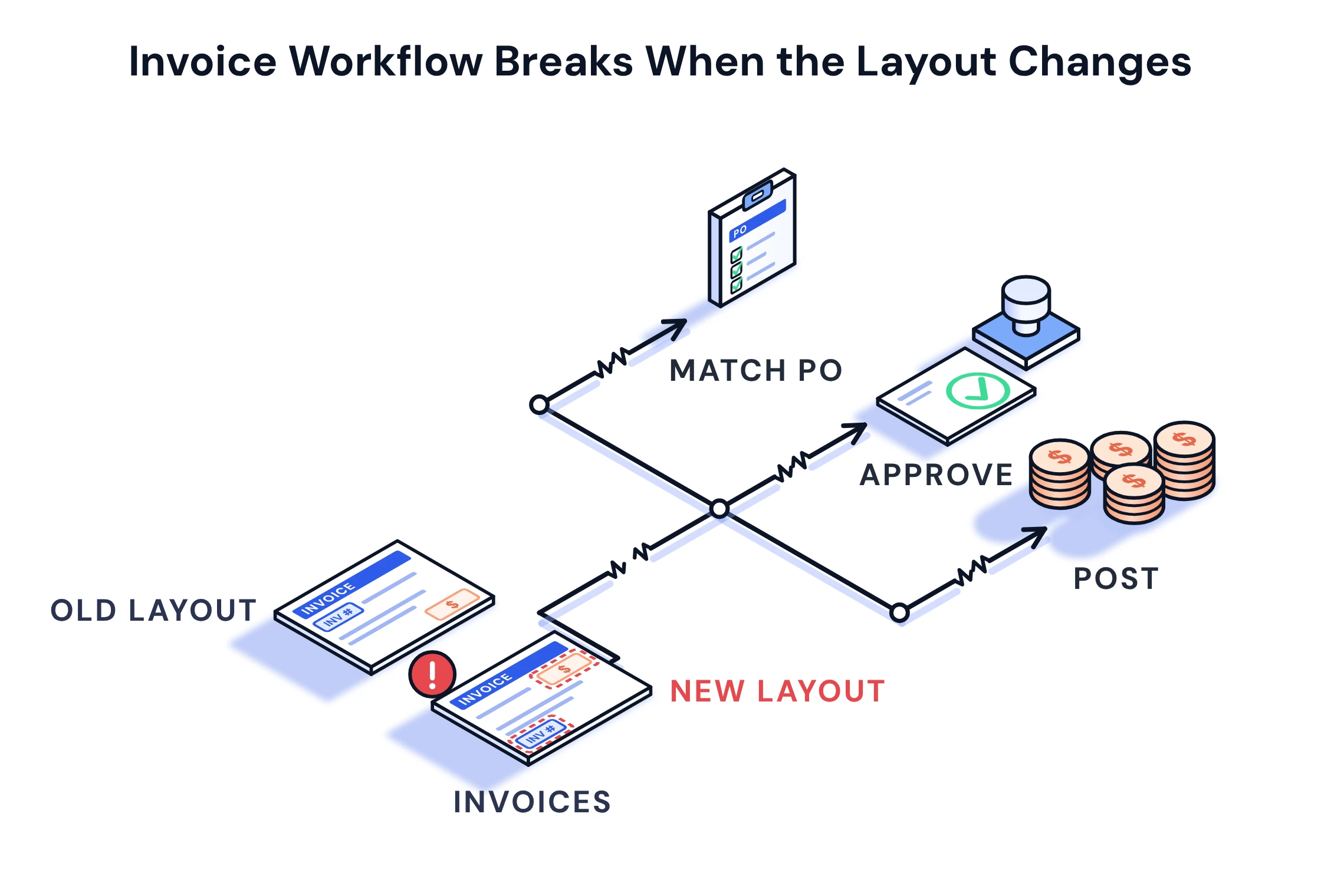
The Problem
A UI update, a missing field, or a new vendor format means more development.
The Solution
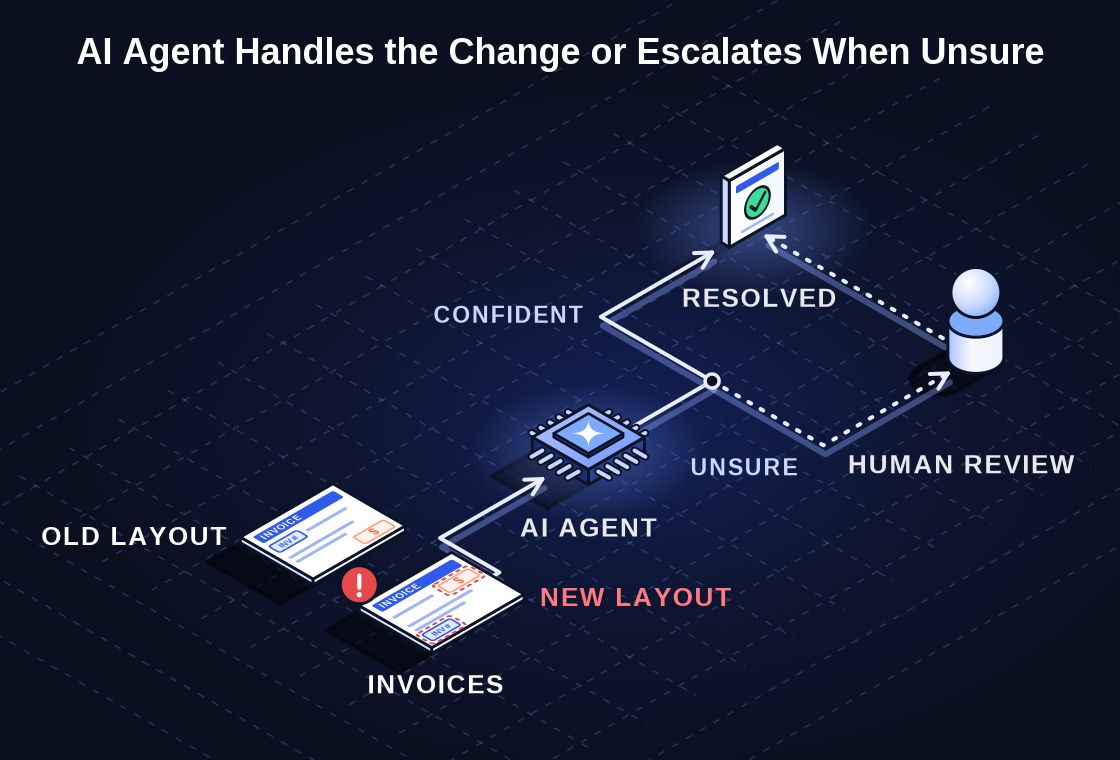
Resilient workflow automation
Built to adapt when inputs change.
Supervisor-led agents plan and coordinate handoffs, and escalate the ones they cannot handle.
When APIs or schemas shift, agents flag the change instead of failing silently.
Low-confidence cases go to your reviewers, with the agent's record attached: what it retrieved, which tools it called, and what it cited.
AI Integration
Agents can't act on data they can't reach. We connect them to your systems in real time, with guardrails built to your security team's standards.
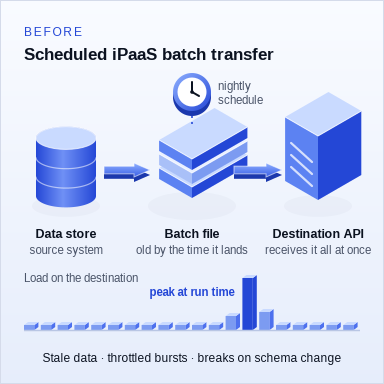
Most integrations were built to move data on a schedule. Agents need real-time tool calls that adapt to schema changes, with every write validated before it lands.
We give agents governed, real-time access and validate writes before they land.
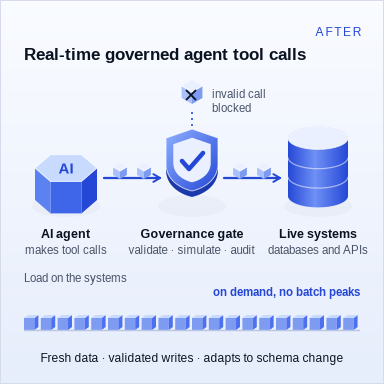
MCP bridges built on your agentic framework turn your REST endpoints into clean, sanitized LLM tools.
Agents get only the fields they need. That means fewer tokens and lower bills.
Writes are simulated and idempotency-tagged, and high-risk writes pause for human review. Every change is recorded in an audit log.
Custom Agent Development
Off-the-shelf agents struggle with edge cases and domain nuance. We build multi-agent systems with checked tool calls, evals, and stateful memory, tuned to how you operate.
Long agent runs need state, checks between steps and a way to undo, which a single model call does not provide. They drift off-goal over long tool chains, and it is hard to trace or roll back what went wrong.
We build agents around your business rules, with checks on their work and reversible writes.
Domain logic, multi-agent coordination, and safety checks you can verify.
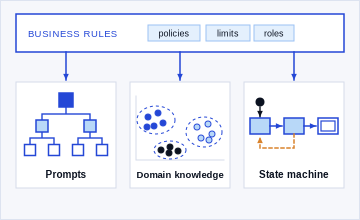
Prompts, domain knowledge, and state machines built for your business rules.
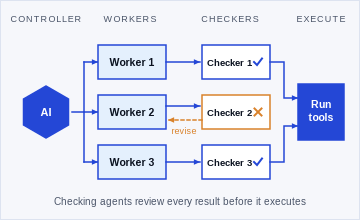
Worker agents run under a controller. Checking agents review their work before execution.
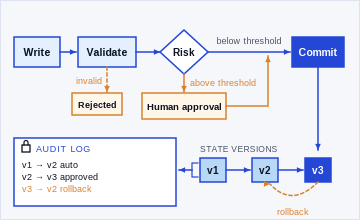
Writes are validated, escalated above your risk threshold, and reversible where the target system allows it. Where it doesn't, the write waits for approval. Every change is recorded in an audit log.
When an agent calls a tool, we record what it retrieved, which tool it called, what it cited, and what it did with the result. Your reviewers can see what the agent had in front of it when it chose a tool, and what came back. That is our explainability work, applied to agents.
We build on the platforms you already use, including Agentforce, Amazon Bedrock, Google ADK, Anthropic Claude, Azure OpenAI, OpenAI, and Microsoft Copilot Studio.
Get Started
Book a technical scoping session. We'll look at one workflow you run today and show you what an agent for it would need.